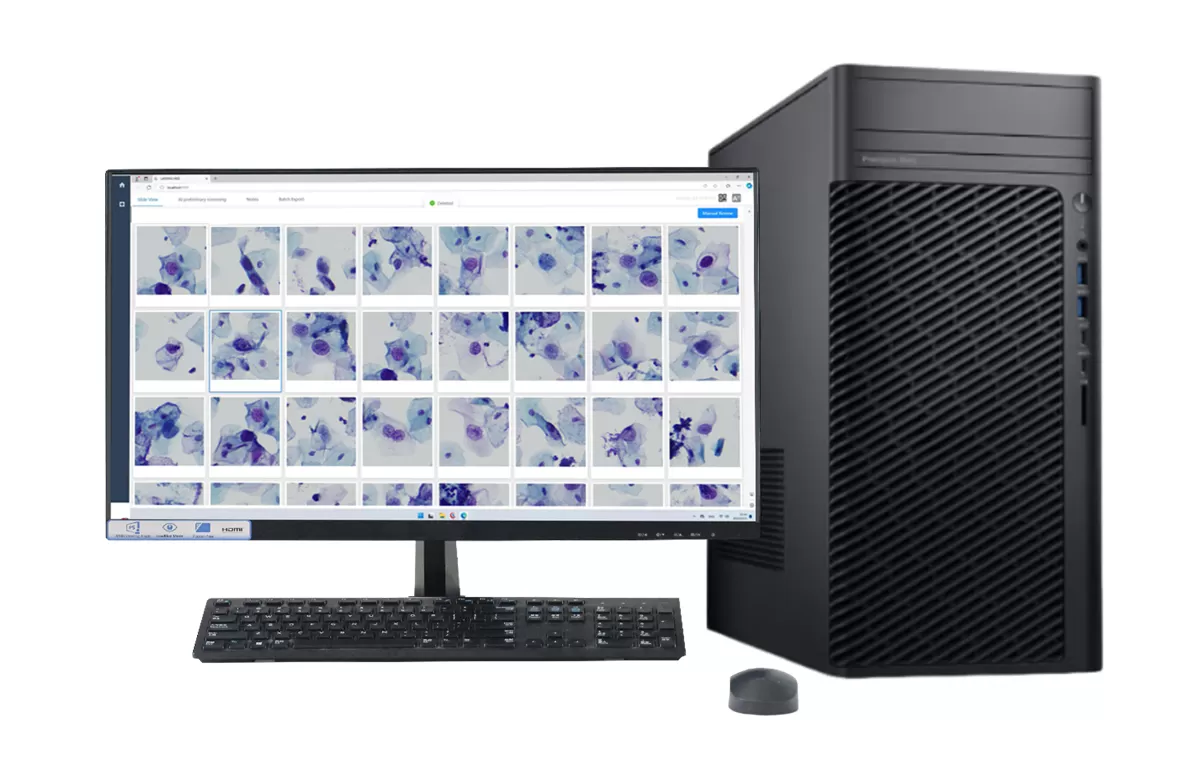
As artificial intelligence (AI) continues to revolutionize various industries, its impact on healthcare, particularly in pathology, has become a riveting topic of discussion. With the increasing integration of AI technologies in diagnostic practices, questions arise about the future role of human pathologists. Will AI enhance their work, or could it replace them altogether? In this article, we will explore the significance of digital pathology, examine the AI technologies driving a transformation, evaluate the impact on diagnostic accuracy, discuss challenges faced during implementation, and look forward to the future of AI in pathology.
Digital pathology involves the conversion of glass slides into digital images, allowing pathologists to analyze specimens on computer screens rather than microscopes. This advancement has accelerated the diagnostic process and expanded the accessibility of pathological services, particularly in remote areas. Studies reveal that digital pathology can reduce turnaround times by up to 50%, which is crucial in time-sensitive diagnoses such as cancer detection. The shift from traditional microscopy to digital solutions reflects a paradigm change in AI pathology, essential for addressing modern healthcare demands. As hospitals and laboratories strive for efficiency and accuracy, companies like Landing Med are at the forefront, offering innovative AI-powered solutions that streamline the diagnostic workflow and facilitate the screening of over 10 million cases. Thus, the significance of digital pathology goes beyond just technology—it represents a crucial step towards more equitable healthcare access globally.
AI technologies are pivotal in enhancing digital pathology. Machine learning algorithms analyze vast datasets, recognizing patterns and anomalies that may elude the human eye. For instance, Landing Med’s cervical cytology solutions are designed to optimize lab efficiency by accurately identifying abnormal cells, thus aiding pathologists in making informed decisions swiftly. Moreover, the integration of AI with a high-performance digital pathology scanner, such as the LD Patho 340A Compact Scanner and the LD Cyto2200 High Throughput Scanner, enables real-time analysis and feedback. This synergy not only improves diagnostic accuracy but also provides labs with tools tailored to their specific needs, whether they are small clinics or large institutions. As AI continues to evolve, its role in AI pathology will only expand, potentially revolutionizing traditional practices through the use of an advanced digital slide scanner.
| Feature | Traditional Microscopy | AI-Enhanced Digital Pathology |
|---|---|---|
| Analysis Speed | Manual and time-consuming | Rapid automated screening |
| Data Storage | Physical glass slides | Secure digital cloud/servers |
| Collaboration | Limited to physical location | Remote sharing and consultation |
| Diagnostic Tool | Optical microscope | Digital slide scanner & AI models |
| Primary Focus | Human visual recognition | Pattern recognition & AI pathology |
| Application | General diagnostics | AI cervical cancer screening & more |
The implementation of AI in digital pathology has demonstrably improved diagnostic accuracy. For example, a study showcased that AI models, when used alongside human pathologists, increased diagnostic precision by over 20%. AI’s capability to learn from extensive datasets considerably reduces human error, ensuring higher reliability in critical diagnoses. Furthermore, automation through AI pathology facilitates faster processing times. Laboratories equipped with AI-driven solutions can analyze more samples within a shorter period, significantly enhancing operational efficiency. The rise of AI in pathology underscores the importance of adopting modern technologies to close the gap in healthcare services, particularly for AI cervical cancer screening, where timely detection is paramount.
Despite the promising advancements, several challenges persist in the implementation of AI in pathology. One significant hurdle is the need for standardized protocols and interoperability among different technologies. Many laboratories face the issue of integrating new AI solutions with existing systems, which can lead to disruptions in workflow. Additionally, regulatory concerns about the efficacy and safety of AI algorithms must be addressed. Companies like Landing Med are dedicated to navigating these complexities by providing validated cervical cytology solutions that meet industry standards. Their commitment to innovation ensures that laboratories are equipped with the latest technology while maintaining compliance with regulatory bodies, ultimately enhancing the effectiveness of AI pathology practices.
.jpg "ai pathology")
The future of AI pathology is bright and full of potential. As AI technologies continue to advance, we can expect more robust diagnostic tools that will not only enhance accuracy but also empower pathologists with insights that were previously unattainable. The integration of AI in pathology is evolving towards predictive analytics, where algorithms could potentially identify individuals at risk before symptoms appear. To stay at the forefront of this evolution, laboratories must invest in training personnel to work effectively with AI systems and embrace a culture of continuous improvement. By collaborating with innovative companies like Landing Med, they can ensure they harness the full potential of a digital pathology scanner, making pathology accessible to everyone, regardless of geographical location.
In conclusion, while the integration of AI into pathology introduces new challenges and debates, it also opens doors to unprecedented opportunities for enhancing diagnostic practices. The integration of AI into digital pathology marks a transformative shift that enhances both diagnostic accuracy and efficiency. Companies like Landing Med lead the way in providing advanced solutions tailored for diverse laboratory needs. As we look ahead, embracing these innovations in AI pathology will be critical in paving a path towards more accessible and effective cancer detection. We encourage readers to explore these advancements and consider how AI in pathology can shape the future of healthcare.
Digital pathology incorporates the acquisition, management, sharing and interpretation of pathology information — including slides and data — in a digital environment.
Artificial intelligence's current utilization underscores its role as an enhancer. In complex histopathological analysis and predictive analytics, AI algorithms offer speed and accuracy that complement the depth of a pathologist's expertise, allowing more time for complex cases and reducing routine workload.
Digital pathology transforms diagnostics with AI, improving precision, efficiency, and accessibility. It enables global collaboration, enhances accuracy, and reshapes healthcare.


 fr
fr  es
es  CN
CN