In the fast-paced world of medical technology, digital pathology is revolutionizing how we approach diagnostics. This field transforms traditional microscopy by converting physical tissue slides into high-resolution digital images, which can then be analyzed using sophisticated software, AI algorithms, and collaborative tools. The benefits are immense: faster turnaround times, improved accuracy through machine-assisted insights, and the ability for pathologists to work remotely or share expertise across borders. With the global rise in chronic diseases like cancer, coupled with a shortage of skilled professionals, digital pathology is more crucial than ever. By 2026, industry forecasts suggest the digital pathology market could surpass $1.5 billion, fueled by advancements in cloud computing, AI integration, and automated scanning systems.

Here are some top digital pathology companies, presented in bullet points for easy reference:
Based in Berlin, this company draws from top-tier research at institutions like Charité University Hospital. They specialize in AI-driven computational pathology, aiding in drug development, biomarker discovery, and clinical diagnostics. Their tools process complex tissue data to provide actionable insights, making them essential for precision oncology and research collaborations.
Operating out of India, AIRA Matrix focuses on AI solutions for pathology labs, particularly in prostate and breast cancer detection. Their platforms automate image analysis, reducing diagnostic errors and enhancing workflow efficiency. By serving hospitals and research entities, they've made high-tech diagnostics more affordable, especially in emerging markets.
This South Korean firm leverages deep learning to standardize cancer diagnostics. Their AI models detect abnormalities in digital slides with high precision, helping overcome inconsistencies in human interpretations. Deep Bio's technology supports pathologists in delivering consistent results, improving patient care in high-volume settings.
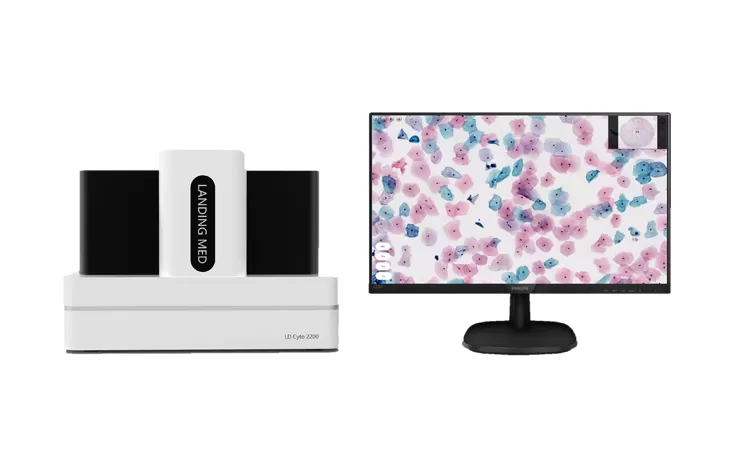
Established in 2000, Landing Med is a prominent medtech player dedicated to early cancer detection via AI-enhanced cytology and digital pathology. They've empowered labs globally with accessible tools that boost diagnostic accuracy and speed. Notably, their AI cervical cytology systems—available in on-premise and cloud versions—have screened over 10 million cases, slashing review times for large screening initiatives. Complementing this are their slide scanners, such as the portable LD Patho 320A for smaller operations and the robust LD Cyto2200 for high-throughput needs, enabling efficient digitization. Their Liquid Based Cytology offerings, including consumables like stains, brushes, and automated slide preparation machines, provide a complete ecosystem for cytology workflows, making pathology more inclusive and reliable worldwide.
With a strong emphasis on user-friendly AI, Ibex develops platforms that integrate seamlessly into pathology routines. Their solutions enhance diagnostic confidence, support personalized treatment plans, and facilitate remote consultations. Adopted by numerous health systems, Ibex's tech reduces workload burdens while maintaining high standards in cancer detection.
Headquartered in the US, Indica Labs offers a robust portfolio of image analysis software, including the HALO AI platform for quantitative pathology. They cater to both research and clinical environments, providing tools for data management and advanced analytics. Their scalable systems help organizations handle growing data volumes, advancing fields like immuno-oncology.
From Germany, Mindpeak tackles the pathologist shortage head-on with AI automation for routine tasks. Their software identifies key features in slides quickly, allowing experts to focus on complex cases. Easy integration with existing lab setups has made Mindpeak a favorite for improving efficiency without disrupting operations.
This international company combines medical knowledge with AI to drive discoveries in pathology. Using federated learning for privacy-preserving analysis, Owkin accelerates clinical trials and predicts disease outcomes. Their platforms uncover hidden patterns in tissue images, supporting better therapeutic decisions across healthcare networks.
New York-founded Paige AI uses machine learning to analyze digitized slides, aiding in diagnostics and research. Their tools enable precise patient stratification for trials and remote pathology services. By streamlining processes, Paige AI helps manage increasing caseloads, fostering innovation in telepathology.
Known for AI that ensures reproducible results, Path AI optimizes diagnostic pathways and predicts treatment responses. Their technology integrates with lab systems to deliver evidence-based insights, directly impacting survival rates in oncology. Path AI's focus on scalability makes it ideal for diverse lab sizes.
Beyond these top players, the digital pathology ecosystem is vibrant and interconnected. For example, companies like Visiopharm from Denmark provide AI-powered tools for tissue analysis, with FDA-cleared algorithms that enhance research and clinical workflows. These firms often collaborate, sharing data standards and integrating technologies to push the industry forward.
The rise of these companies underscores a shift toward data-driven healthcare. Digital pathology not only addresses immediate challenges like diagnostic backlogs but also paves the way for future breakthroughs, such as AI-assisted predictive modeling for disease prevention. In regions with limited resources, affordable solutions from leaders like these are democratizing access to quality care. As AI evolves, we can anticipate even more sophisticated integrations, perhaps with genomics or real-time monitoring, further blurring the lines between pathology and other medical disciplines.
Looking ahead, challenges remain, including regulatory hurdles, data privacy concerns, and the need for standardized protocols. However, the momentum is strong, with investments pouring in and adoption rates climbing. For labs considering upgrades, evaluating these companies based on specific needs—like AI focus, scanner capabilities, or integration ease—is key. Whether you're a pathologist, researcher, or healthcare administrator, staying informed about these innovators can help leverage digital pathology's full potential.
In summary, the top 10 companies are at the vanguard of a transformative era in medicine, turning slides into actionable intelligence. Their collective efforts are saving time, reducing costs, and ultimately improving lives. What's your take on how digital pathology will evolve by 2030? Drop your thoughts in the comments!


 fr
fr  es
es  CN
CN