In the realm of preventive medicine, few diagnostic tools have been as transformative as cervical cytology. Often referred to as the cornerstone of women’s health, this specialized field of pathology has evolved from manual microscopic observation to a high-tech discipline powered by artificial intelligence. At Landing Med, we are at the forefront of this evolution, integrating cutting-edge technology to make cervical cancer screening more accurate and accessible worldwide.
At its core, cervical cytology is the microscopic examination of cells collected from the cervix to detect any abnormalities, particularly those that might indicate precancerous or cancerous changes. The procedure is most commonly associated with the Pap test (or Pap smear) and the more modern Liquid-Based Cytology (LBC). By analyzing the morphology—the shape, size, and structure—of cervical cells, pathologists can identify early-stage cellular mutations long before they progress into invasive cancer. Today, the field is undergoing a digital revolution. With the advent of AI pathology, the traditional reliance on a human eye peering through a microscope is being supplemented by sophisticated algorithms that can scan thousands of cells in seconds, ensuring that no suspicious cell goes unnoticed.
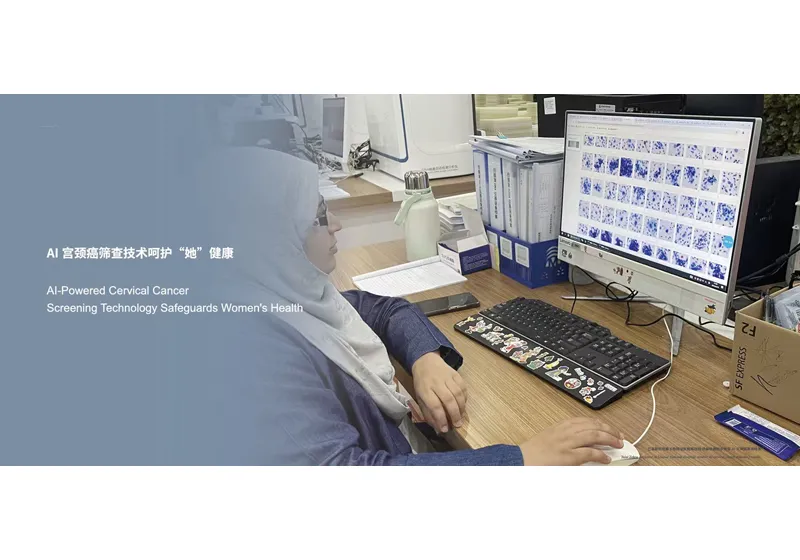
The primary goal of cervical cytology is the early detection of cervical cancer, which remains one of the most preventable types of cancer if caught in time. Regular screening has been credited with reducing cervical cancer mortality rates by more than 70% in developed nations over the last few decades. However, the effectiveness of screening depends heavily on accuracy and frequency. Landing Med recognizes that human fatigue and the subjective nature of manual reviews can lead to diagnostic discrepancies. This is where AI cervical cancer screening becomes a game-changer. By using AI to pre-screen slides, medical facilities can drastically reduce false negatives and ensure that high-risk patients receive immediate attention. This technological leap makes cervical cytology not just a routine check-up, but a robust defense system for women’s long-term health.
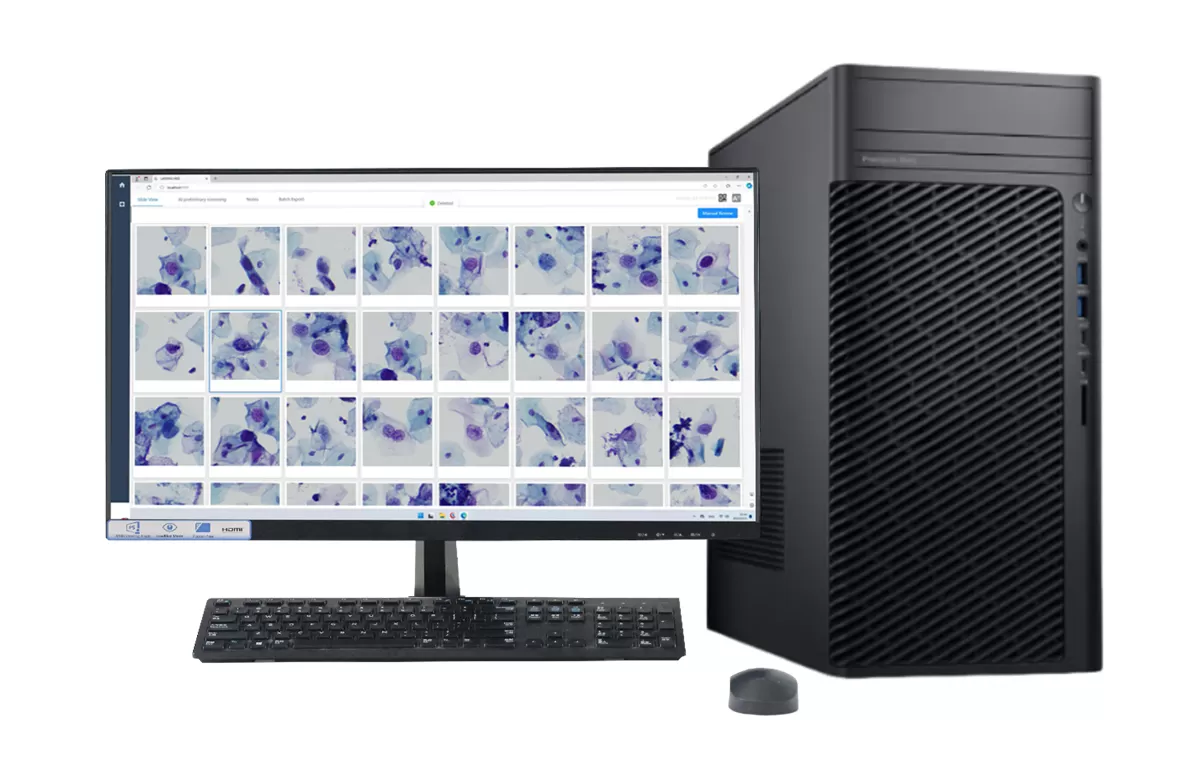
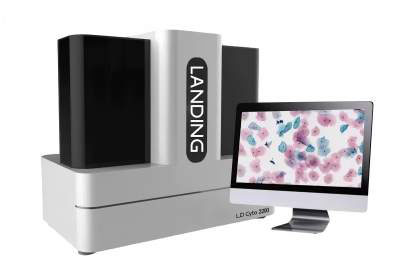
The process of cervical cytology begins in the physician’s office with a sample collection. A small brush or spatula is used to gently collect cells from the transformation zone of the cervix. In modern laboratories, these cells are then processed using Liquid-Based Cytology (LBC) techniques to create a clear, thin layer of cells on a glass slide. Once the slide is prepared, the digital transformation begins. Instead of manual viewing, a high-performance digital pathology scanner—such as the ones developed by Landing Med—captures high-resolution images of the entire slide. These “digital slides” are then analyzed by AI algorithms that highlight the most clinically significant areas for the pathologist to review. This workflow not only speeds up the diagnostic process but also allows for remote consultation and digital archiving of patient records.
Interpreting the results of a cervical cytology test requires high precision. Results are typically categorized using the Bethesda System, which provides standardized terminology for reporting.
| Result Category | Description | Clinical Implication |
|---|---|---|
| NILM | Negative for Intraepithelial Lesion or Malignancy | Normal result; continue routine screening. |
| ASC-US | Atypical Squamous Cells of Undetermined Significance | Mild changes; often requires an HPV co-test. |
| LSIL | Low-grade Squamous Intraepithelial Lesion | Mild abnormalities, often caused by HPV infection. |
| HSIL | High-grade Squamous Intraepithelial Lesion | Significant changes; high risk of progressing to cancer. |
| SCC | Squamous Cell Carcinoma | Malignant cells detected; immediate intervention required. |
When Landing Med’s AI platform assists in this process, it provides a quantitative analysis that helps pathologists categorize these results with higher confidence, ensuring that every cervical cytology report is backed by data-driven precision.
The future of cervical cytology is undeniably digital and automated. We are moving away from centralized, labor-intensive laboratories toward decentralized, AI-driven diagnostic hubs. One of the most exciting developments is the integration of cloud-based AI pathology platforms. This allows healthcare providers in underserved regions to upload images from a digital pathology scanner to a cloud server, where Landing Med’s AI can perform an instant analysis. This democratizes access to high-quality healthcare, ensuring that a woman’s location does not determine her survival chances. As we continue to refine our algorithms and hardware, Landing Med remains committed to the mission of “AI for Health.” By combining the clinical expertise of pathologists with the speed and objectivity of artificial intelligence, we are redefining what is possible in cervical cytology and setting a new global standard for cancer prevention.
The AI is trained on over 10 million clinical samples, allowing it to identify abnormal cells with high precision. This significantly reduces human fatigue and the risk of false negatives in AI cervical cancer screening.
Yes. Landing Med provides on-premise AI servers (LD CytoBrain) that allow hospitals to analyze slides locally. This ensures all patient data remains within the institution’s secure network.
High-throughput models like the digital pathology scanner LD Cyto2200 can digitize and analyze up to 200 slides per batch, making it ideal for high-volume diagnostic centers.
Yes. Landing Med offers an end-to-end solution including LBC cell preservation kits, automated slide preparation devices, and advanced AI pathology diagnostic software.


 fr
fr  es
es  CN
CN