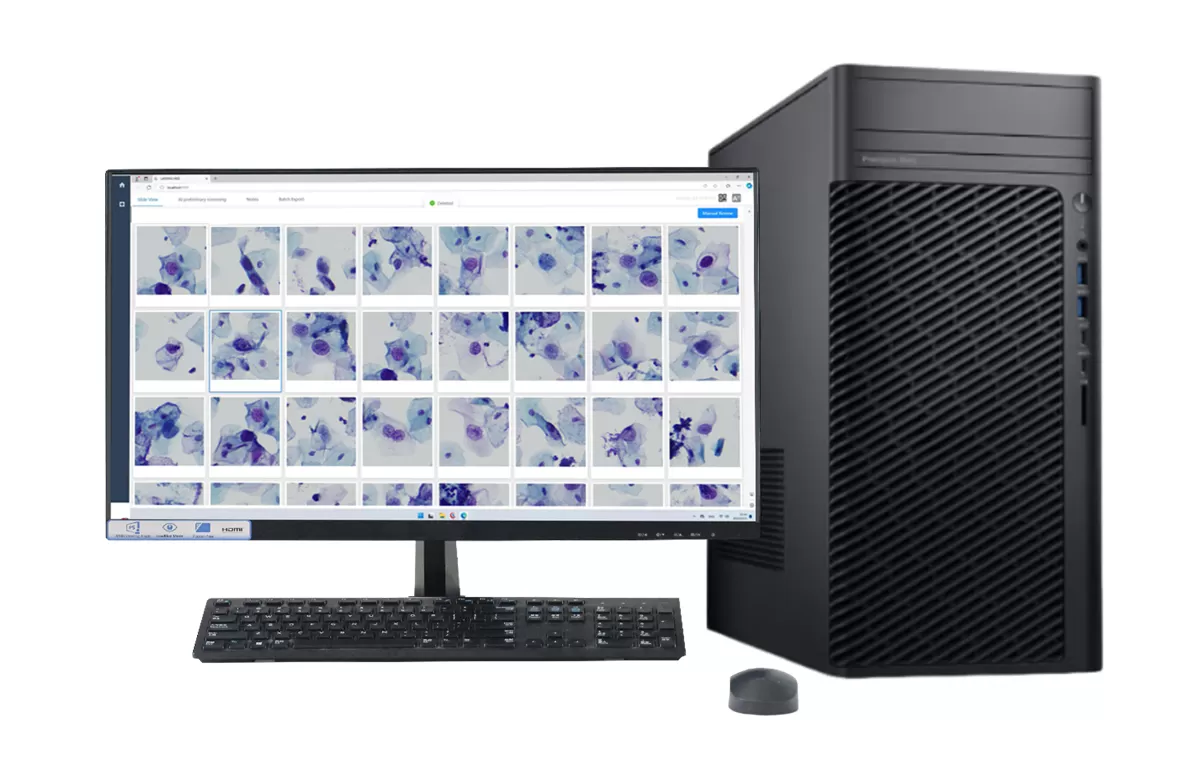
In the rapidly evolving field of medical technology, the validation of new digital pathology scanners has become a pivotal process for laboratories aiming to enhance diagnostic accuracy and efficiency. With the integration of AI pathology in cancer detection, the landscape of pathology practices is transforming. Understanding how to properly validate these systems is essential, not only to ensure compliance with industry standards but also to foster trust among professionals and patients alike. In this article, we will delve into the essential criteria for validation, the methodologies involved, industry standards, user testimonials, and provide a final checklist to streamline the validation process.
When considering the validation of a digital pathology scanner, several core criteria need attention. First and foremost is image quality; a scanner must produce high-resolution images that can maintain clarity even when zoomed in, essential for accurate diagnosis. Factors such as color accuracy and contrast will directly impact the identification of cellular abnormalities. Secondly, validation should assess the scanner’s interoperability with existing laboratory information systems (LIS). Seamless integration is vital for workflow efficiency and data management. For instance, Landing Med’s cutting-edge LD Cyto2200 High Throughput Scanner offers robust connectivity features, making it a preferred choice in many laboratories. Moreover, reproducibility and consistency in results across different operational settings are crucial. This can be validated by conducting comparative studies using a range of samples to ensure that results from the scanner align with traditional diagnostic methods. Notably, systems utilizing AI pathology capabilities can enhance diagnostic precision, evidenced by Landing Med’s successful screening of over 10 million cases.
When embarking on the validation journey, employing systematic testing methods for a digital slide scanner is paramount. One widely used approach is the “Test Method Validation,” which involves comparing the performance of the new scanner against a reference standard. In pathology, this means aligning the scanner’s diagnoses with conclusions drawn from histopathological examinations. Another effective method is conducting user acceptability studies. By engaging actual laboratory personnel and soliciting feedback on functionality, workflow integration, and overall experience, laboratories can gain valuable insights. These user experiences can offer a real-world perspective that technical specifications may not cover. Furthermore, statistical analysis is integral to demonstrating the scanner’s clinical effectiveness. Using metrics like sensitivity, specificity, and positive predictive values helps in quantifying performance. This aligns with regulatory requirements and helps build a comprehensive validation dossier necessary for market confidence.
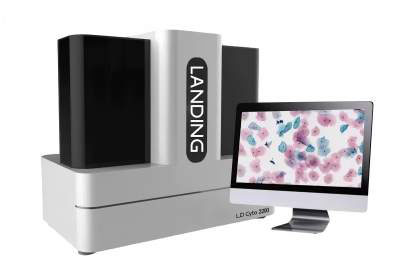
A digital pathology scanner must adhere to various industry standards to guarantee efficacy and reliability. Key organizations like the FDA and ISO have established guidelines that must be met. For instance, the FDA requires performance validation protocols to ensure a scanner’s safety and effectiveness before market introduction. To further illustrate the technical requirements, the following table summarizes the key performance indicators (KPIs) used during the validation process:
| Validation Parameter | Description | Target Metric |
|---|---|---|
| Resolution | Ability to distinguish fine structural details | <0.25 µm/pixel (at 40x) |
| Scanning Speed | Time taken to digitize a standard slide | <60 seconds per slide |
| Color Fidelity | Accuracy of digital color vs. microscopic view | High Delta-E compliance |
| System Uptime | Reliability and mechanical durability | >98% availability |
| AI Integration | Accuracy of automated detection algorithms | >95% Sensitivity |
Those that achieved ISO 13485 certification exhibited significantly lower error rates in diagnostics compared to non-certified models. This reinforces the necessity for laboratories to seek scanners, such as those offered by Landing Med, which comply with stringent regulations and thus ensure enhanced reliability. Additionally, the advancement of imaging standards, such as DICOM, facilitates standardized communication between imaging devices.
User experiences play a critical role in the validation of a digital pathology scanner. Feedback from pathologists and laboratory technicians provides insights that purely technical assessments might overlook. For example, many users of Landing Med’s LD Patho 340A Compact Scanner have reported improved workflow efficiencies in cervical cytology, highlighting practical advantages in high-volume screening environments. Moreover, real-time feedback during the validation process can lead to rapid iterations in software and operational features, ensuring that the final product meets user expectations. This collaborative approach has seen many labs adopting validation strategies that integrate user experiences early in the testing phase, thus streamlining overall transition and adoption processes.
As we conclude our exploration of digital pathology scanner validation, it is essential to have a final checklist that encapsulates the key steps. Here’s a streamlined approach:
Assess Image Quality: Check for resolution, color accuracy, and contrast.
Evaluate Interoperability: Ensure compatibility with LIS for data management.
Conduct Comparative Studies: Validate results against traditional diagnostic methods.
Engage Users for Feedback: Collect insights from lab personnel on usability and workflow.
Review Compliance with Standards: Confirm adherence to FDA and ISO regulations.
Perform Statistical Analysis: Use essential metrics like sensitivity and specificity to measure effectiveness.
Implementing this checklist will enhance the validation process, ensuring that laboratories can confidently integrate new technologies like AI cervical cancer screening into their diagnostic practices. The validation of digital pathology scanners is a multi-faceted process that requires meticulous attention to detail and adherence to established standards. By following the outlined criteria and methodologies, laboratories can enhance their diagnostic capabilities while ensuring compliance and operational efficiency. At Landing Med, our commitment to providing advanced, cost-effective solutions empowers laboratories globally in their quest for precision in cancer detection.
The digital pathology system is the central component that enables a digital pathology workflow, allowing pixel data to flow from an acquisition device (e.g., whole slide scanner) to a viewer application (e.g., whole slide image viewer, image management system).
The benefits of digital pathology are clear, from improved workflow efficiency to AI-assisted diagnostics. However, weighing these against potential disadvantages, such as cost, infrastructure needs, and regulatory requirements, is important.
There are two common methods for digital slide scanning, tile-based scanning and line-based scanning. Both technologies use an integrated camera and a motorized stage to move the slide around while parts of the tissue are imaged.


 fr
fr  es
es  CN
CN