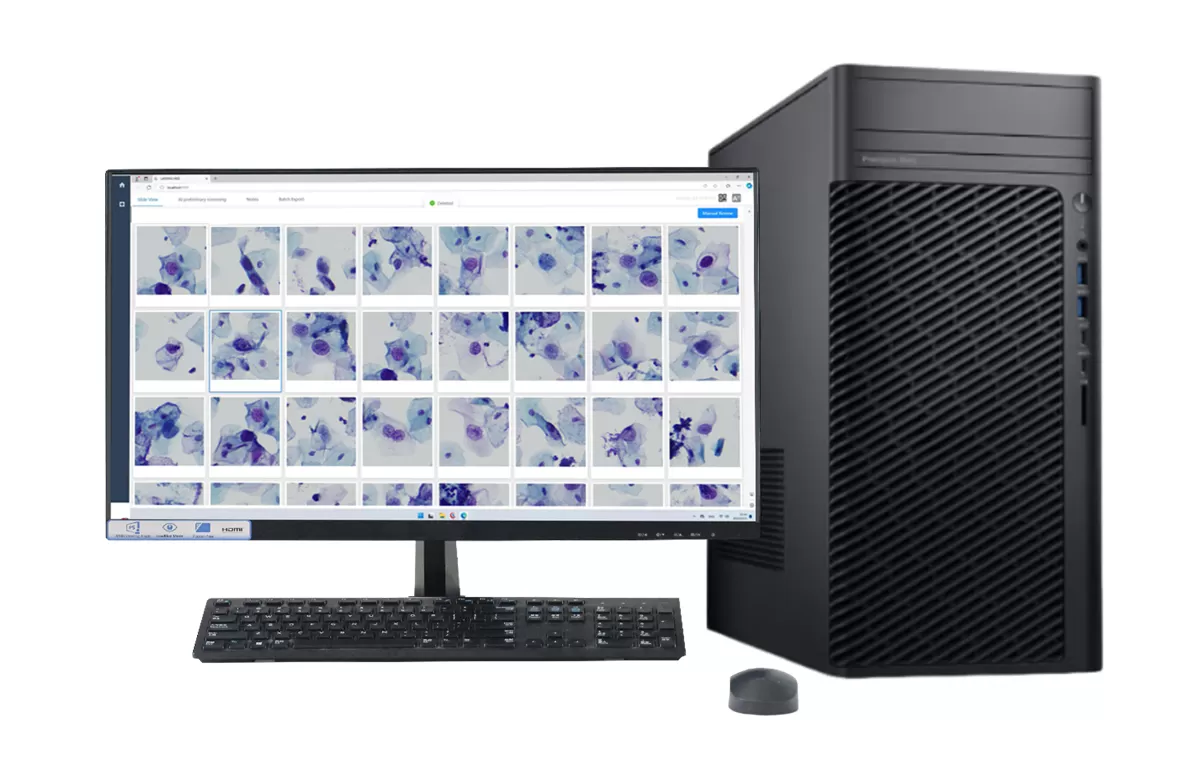
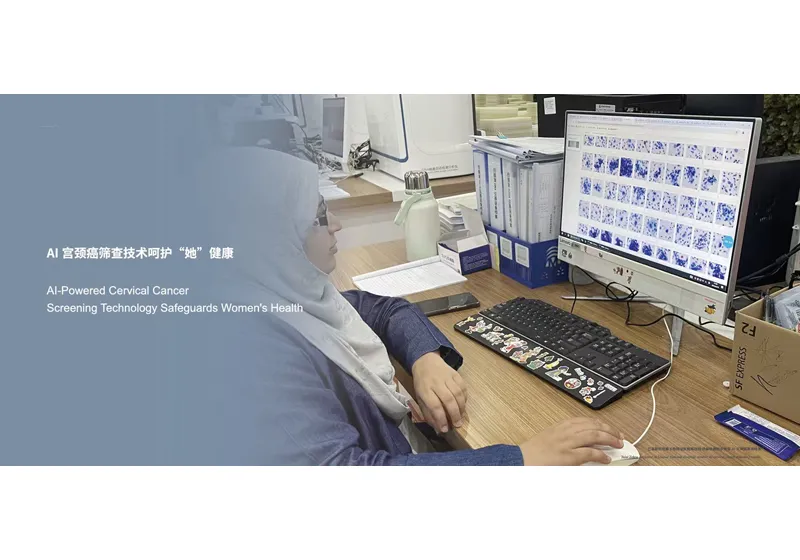
In recent years, digital pathology scanners have become breakthrough instruments in the field of medical diagnostics. By converting glass slides into high-resolution digital images, these scanners enhance the accuracy, efficiency, and collaboration in the diagnostic process. This article explores how digital pathology is transforming diagnostic methods and improving patient outcomes, while providing a comprehensive overview of the advantages, technological innovations, and practical applications of this advanced technology.
Traditionally, pathology has relied on manual examination of slides using a microscope. While effective, this method is labor-intensive, time-consuming, and prone to human error. The introduction of digital pathology scanners marks a significant shift from traditional practices. These advanced devices can capture high-quality digital images of tissue samples, allowing pathologists to analyze, store, and share information with unprecedented convenience and accuracy.
Digital pathology scanners employ advanced imaging technology to generate detailed, high-resolution images of entire tissue sections. This enables pathologists to observe and evaluate samples at various magnifications without the constraints of physical slides. The need for increased efficiency, accuracy, and collaboration in pathology has driven the shift from analog to digital.
Compared to traditional techniques, digital pathology offers numerous advantages, transforming the way pathologists work and improving diagnostic outcomes:
Increased Accuracy: High-resolution images provide clearer and more detailed views of tissue samples, reducing the likelihood of diagnostic errors. As a result, diagnostic outcomes are more accurate, leading to better patient outcomes.
Enhanced Collaboration: Digital images can be easily shared with experts worldwide, facilitating collaborative diagnostics and treatment planning. This is especially beneficial for complex cases requiring insights from multiple experts.
Improved Efficiency: Automated and digitized workflows streamline the pathology process, reducing the time needed for slide preparation, analysis, and reporting. This accelerates diagnostic turnaround times.
Enhanced Storage and Retrieval: Digital slides are easier to store and retrieve compared to physical slides, reducing the risk of loss or damage. Digital storage also allows for better organization and access to historical data, aiding longitudinal studies and investigations.
Enhanced Analytical Capabilities: Integration with AI and machine learning tools allows for more sophisticated image evaluation and pattern recognition. These technologies can help pathologists identify subtle features and abnormalities that might be missed during manual examination.
The precision of digital pathology scanners has significantly improved diagnostic accuracy. High-resolution images allow pathologists to notice minute details that might be missed during traditional microscopic examination. For example, digital images can reveal subtle differences in cell structure and tissue organization, leading to more accurate tumor grading and staging.
Additionally, digital tools can implement standardized measurement protocols, reducing diagnostic variability and enhancing consistency. Automated image analysis software can quantify features such as cell density, nuclear atypia, and mitosis, providing objective data for diagnostic decisions. This minimizes inter-observer variability and enhances the reproducibility of pathological findings.
Numerous case studies demonstrate the practical effectiveness of digital pathology scanners in cancer diagnosis, remote consultations, educational programs, and training initiatives.
The future of digital pathology is promising, with ongoing advancements expected to further transform the field:
Artificial Intelligence and Machine Learning: Incorporating AI will assist in the automated detection of abnormalities and predictive analyses, enhancing diagnostic capabilities. AI algorithms can learn from vast datasets of digital slides, identifying patterns and correlations undetectable by human observers. This will aid in earlier disease detection, improved prognostic models, and personalized treatment approaches.
Remote Pathology: The development of telepathology will improve access to pathology expertise, especially in remote or resource-limited settings. Advances in telecommunication infrastructure and digital imaging technology will make real-time remote consultations feasible, reducing diagnostic delays and improving patient care outcomes.
Personalized Medicine: Detailed tissue analysis tailored to individual patients is crucial for formulating personalized treatment plans. By integrating genomics, proteomics, and digital pathology data, clinicians can devise more targeted and effective treatment strategies.


 fr
fr  es
es  CN
CN